Exploring the Benefits of Aluminum Non-Stick Cookware for Wholesale Distribution
1. Introduction to Aluminum Non-Stick Cookware
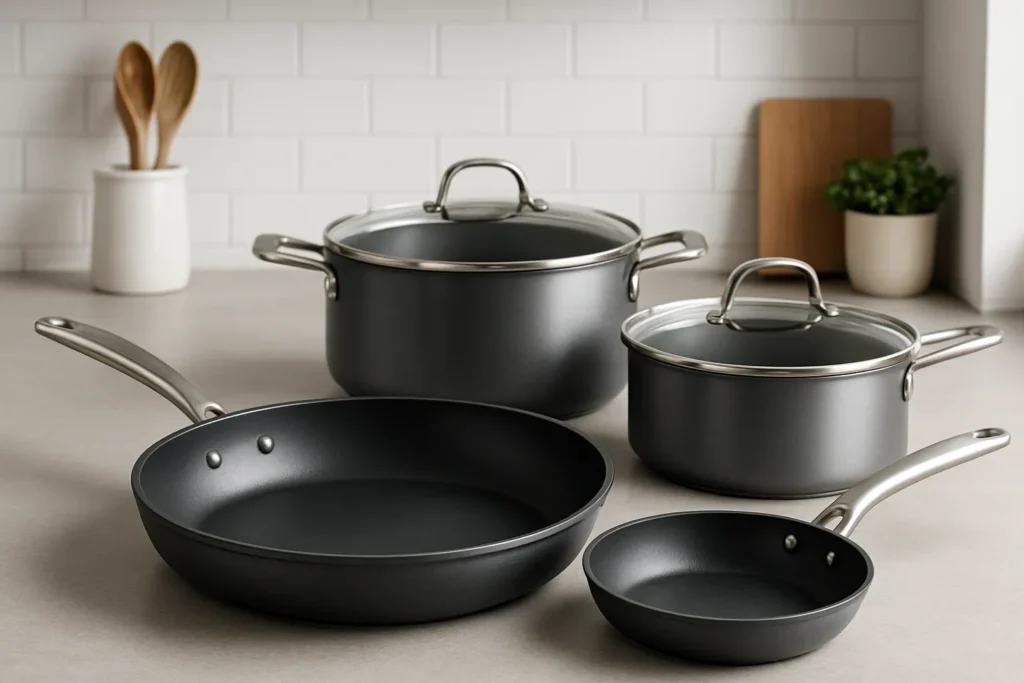
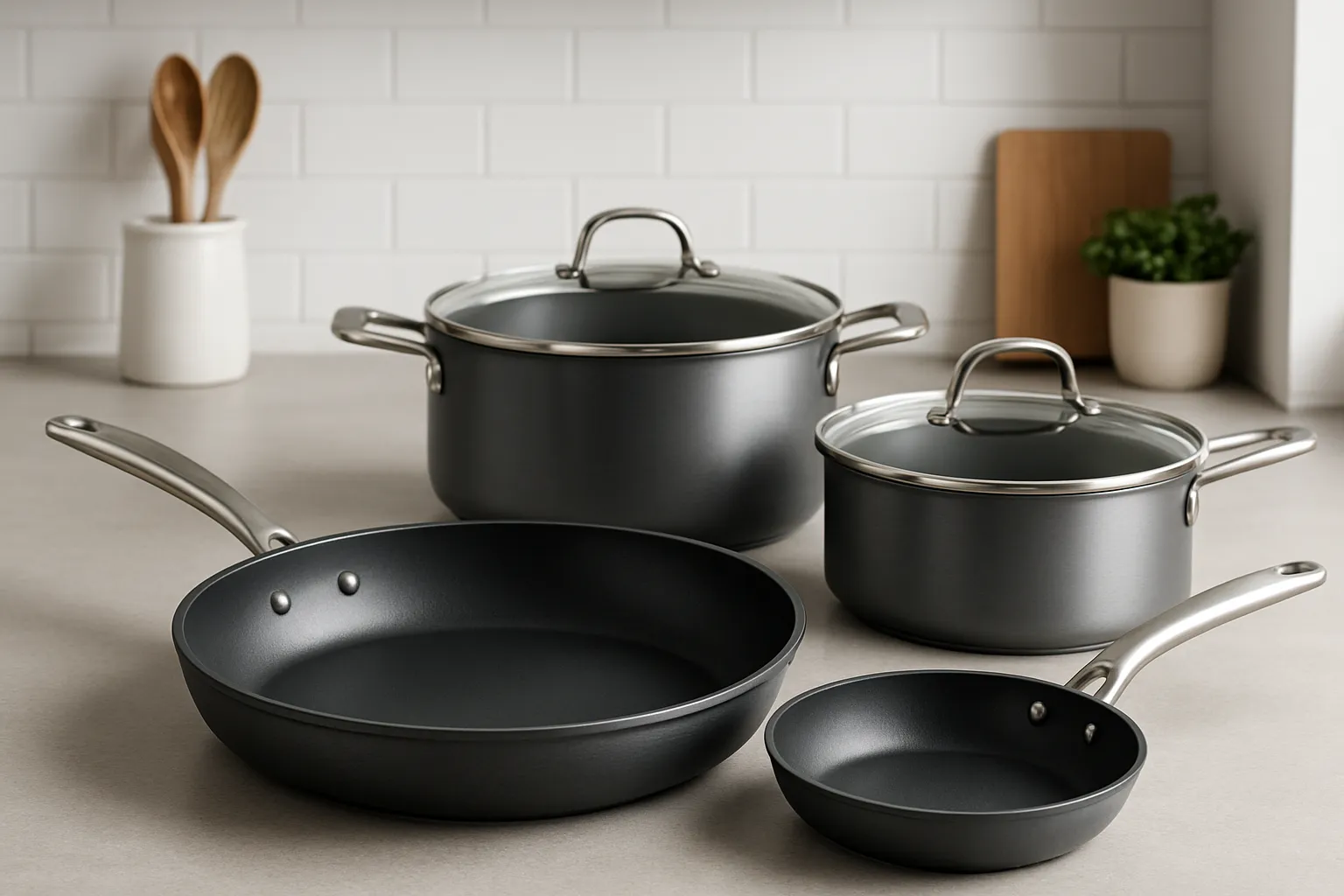
Aluminum non-stick cookware has become a staple in modern kitchens, offering versatility and ease of use for both professional chefs and home cooks. This cookware is primarily made from aluminum, a lightweight metal celebrated for its excellent thermal conductivity. As the demand for efficient and user-friendly cooking solutions continues to rise, aluminum non-stick cookware is increasingly vital in the wholesale market. Retailers aiming to expand their cookware offerings will find that these products not only meet consumer needs but also present significant opportunities for profit in wholesale distribution. The benefits of aluminum non-stick cookware are numerous, making it a hot commodity in today’s market.
2. Key Specifications of Aluminum Non-Stick Cookware
To truly appreciate the value of aluminum non-stick cookware, it’s essential to consider its key specifications.
- Material Composition: Most aluminum non-stick cookware is crafted from high-grade aluminum, ensuring even heat distribution and minimizing hot spots. This feature is crucial for achieving consistent cooking results, which is something every chef strives for.
- Coating Technologies: The non-stick surface is typically achieved through various coating technologies, such as Teflon or ceramic-based coatings. These coatings allow for easy food release and minimize the need for excess oils or fats, promoting healthier cooking options. In my experience, this can significantly enhance the cooking experience for many users.
- Durability and Longevity: While aluminum cookware is generally lightweight, advancements in coating technology have improved the durability of these products. High-quality aluminum non-stick cookware can withstand regular use without chipping or peeling, making it a smart investment for retailers.
3. Advantages of Aluminum Non-Stick Cookware
Aluminum non-stick cookware offers several advantages that can attract both consumers and retailers.
- Health and Safety Benefits: Many consumers today are increasingly concerned about the health implications of the cookware they use. Fortunately, aluminum non-stick cookware is often free from harmful chemicals such as PFOA and PFOS, making it a safer option for cooking. This is a point I believe retailers should emphasize in their marketing strategies.
- Energy Efficiency: Aluminum is known for its ability to heat quickly and evenly, which can lead to energy savings in the kitchen. Retailers can market this feature to environmentally conscious consumers looking to reduce their energy footprint, a trend that is gaining traction.
- Ease of Cleaning and Maintenance: The non-stick surface simplifies the cleaning process, making it a desirable choice for busy households. Retailers can highlight this benefit in their marketing strategies, emphasizing how easy it is to maintain aluminum non-stick cookware.
4. Use Cases for Wholesale Distribution
Understanding the target markets for aluminum non-stick cookware is crucial for successful wholesale distribution.
- Target Markets for Aluminum Cookware: Key demographics include young professionals, families, and cooking enthusiasts who prioritize convenience and quality in their kitchenware.
- Popular Retail Settings: This cookware is commonly found in big-box retailers, specialty kitchenware stores, and online marketplaces. Establishing partnerships with these retail settings can enhance distribution opportunities.
- Seasonal Demand Trends: Sales of aluminum non-stick cookware often spike during the holiday season and back-to-school periods. Retailers should consider timing their inventory and promotions to align with these trends, ensuring they meet consumer demand.
5. Comparing Aluminum Non-Stick Cookware with Other Materials
When considering aluminum non-stick cookware, it’s helpful to compare it with other popular materials.
- Aluminum vs. Stainless Steel: While stainless steel cookware is renowned for its durability and heat retention, it lacks the non-stick properties of aluminum. Retailers can emphasize the ease of use and cleaning that aluminum offers over stainless steel.
- Aluminum vs. Cast Iron: Cast iron is known for its heat retention but requires more maintenance and is significantly heavier. Aluminum non-stick cookware provides a lightweight alternative that appeals to consumers seeking convenience.
- Price Comparisons: Generally, aluminum non-stick cookware is more affordable than both stainless steel and cast iron options, making it an attractive choice for budget-conscious consumers.
6. Sourcing Aluminum Non-Stick Cookware
Finding the right suppliers is vital for retailers looking to stock aluminum non-stick cookware.
- Finding Reliable Suppliers: Retailers should seek manufacturers with a proven track record in producing high-quality aluminum cookware. Attending trade shows and industry expos can be beneficial for establishing connections.
- Evaluating Product Quality: It’s essential to assess the quality of the cookware before making bulk purchases. Requesting samples and checking certifications can help ensure that the products meet industry standards.
- Negotiating Wholesale Prices: Retailers should be prepared to negotiate pricing with suppliers. Understanding market trends and competitor pricing can provide leverage during discussions, which is crucial for maintaining profitability.
7. Implementation Strategies for Retailers
To successfully market aluminum non-stick cookware, retailers should consider the following strategies.
- Marketing Aluminum Cookware: Highlighting the unique benefits of aluminum non-stick cookware through targeted marketing campaigns can attract consumers. Utilizing social media and influencer partnerships can enhance visibility and reach a broader audience.
- Display and Merchandising Tips: Attractive displays that showcase the cookware’s features, such as ease of cleaning and health benefits, can draw in customers. Demonstrating the cookware in-store can also boost interest and encourage purchases.
- Customer Education on Use and Care: Providing information on how to properly use and care for aluminum non-stick cookware can enhance customer satisfaction and reduce returns, which is a common concern for many retailers.
8. Frequently Asked Questions (FAQs)
- Common Concerns About Non-Stick Cookware: Many consumers worry about the safety of non-stick coatings. Retailers should be ready to address these concerns by providing information on the materials used and reassuring customers about their safety.
- Warranty and Return Policies: Clear warranty and return policies can instill confidence in consumers, encouraging them to purchase aluminum non-stick cookware.
- Maintenance Tips for Retailers: Offering maintenance tips can help customers prolong the life of their cookware, leading to repeat purchases and positive reviews, which are vital for any successful retail business.
Conclusion
Aluminum non-stick cookware presents a myriad of benefits for both consumers and retailers in the wholesale market. With its appealing combination of health safety, energy efficiency, and ease of maintenance, it stands out as a preferred choice in modern kitchens. Retailers who strategically source and market aluminum non-stick cookware can capitalize on growing consumer demand and establish a strong foothold in the competitive cookware industry.