Custom Cookware Design: Elevating Retail Chain Success with Unique Offerings
Introduction to Custom Cookware Design
Custom cookware represents uniquely crafted kitchenware tailored to meet specific business needs or branding requirements. This type of cookware holds particular importance for retail chains, as it enables them to stand out in a crowded marketplace. Investing in custom cookware design can significantly enhance a retail chain’s brand identity, cater to consumer preferences, and ultimately drive sales. In my experience, as consumer expectations evolve, having distinctive cookware is crucial for maintaining market relevance and fostering business growth.
Key Specifications for Retail Chain Cookware
When designing custom cookware for retail chains, several essential specifications must be taken into account to ensure the products meet both functional and aesthetic demands.
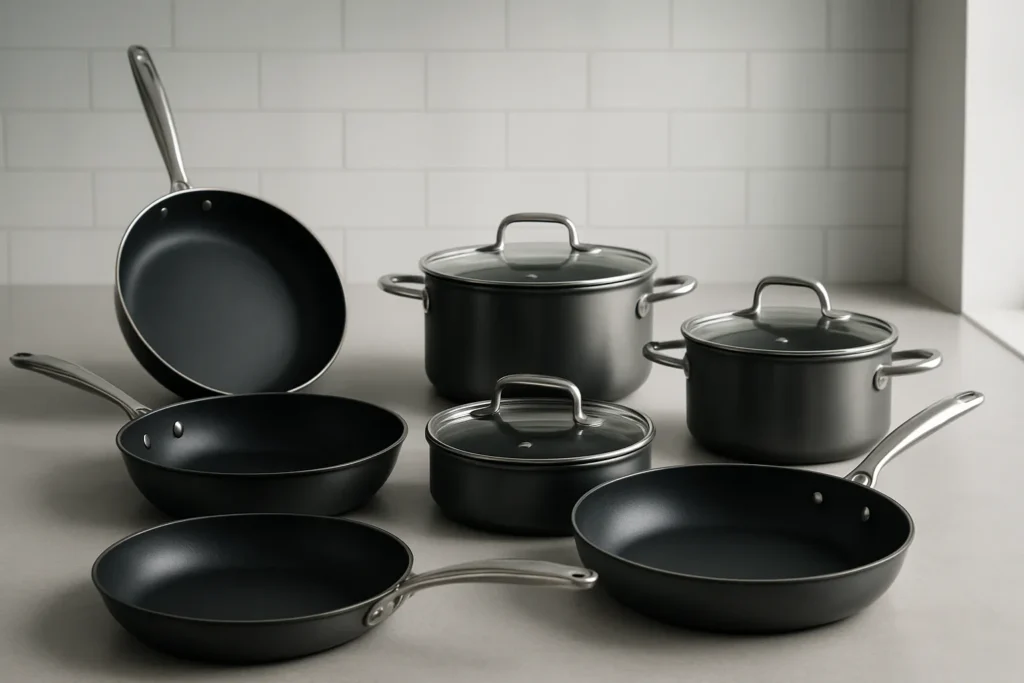
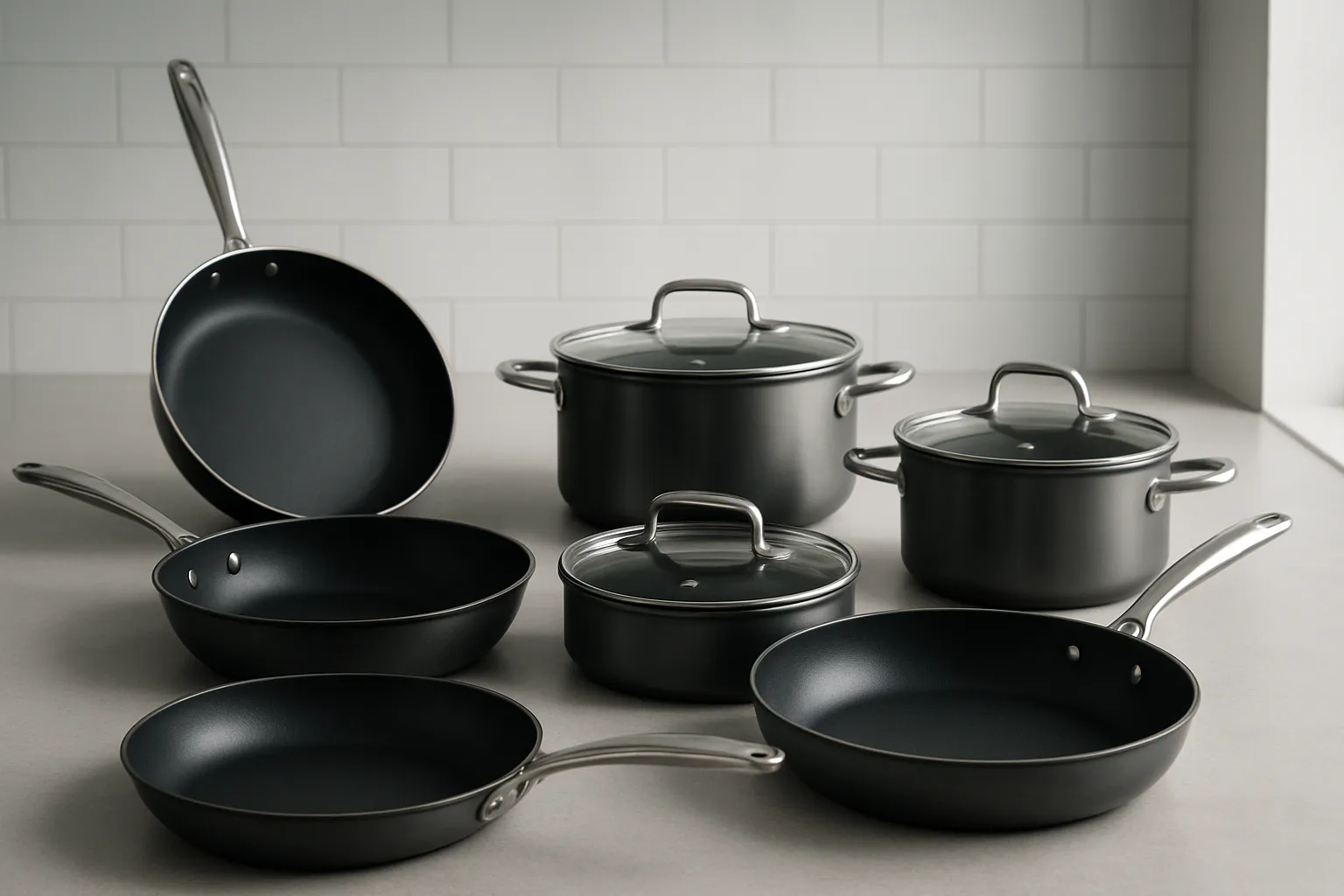
Material Options: The choice of materials is critical in cookware design. Common options include stainless steel, cast iron, non-stick coatings, and eco-friendly materials. Each material offers distinct benefits, such as durability, heat conductivity, and easy maintenance. Retail chains should select materials that align with their brand values and resonate with their target audience. For instance, eco-friendly materials are increasingly appealing to environmentally-conscious consumers.
Design Features: Design elements like color, shape, and ergonomic features can significantly affect consumer appeal. Custom cookware can integrate unique features such as innovative handle designs for better grip, stackable shapes for efficient storage, or even personalized engravings. These thoughtful design choices not only enhance usability but also serve as effective marketing tools.
Compliance Standards: It’s vital for custom cookware to meet industry compliance standards. This includes adhering to safety regulations, food safety certifications, and environmental guidelines. Retailers need to collaborate closely with manufacturers to ensure all products comply with these standards, thereby protecting their brand reputation and building customer trust.
Use Cases of Custom Cookware in Retail Chains
Custom cookware can serve various strategic purposes for retail chains, enhancing their market performance.
Branding Opportunities: Custom cookware can be a powerful branding tool. Retail chains can develop exclusive lines that reflect their brand identity, utilizing colors and logos that resonate with their target audience. This fosters brand loyalty and encourages repeat purchases, which is vital in today’s competitive landscape.
Target Market Preferences: Understanding the preferences of the target market is crucial for effective custom cookware design. Retail chains can conduct market research to identify trends and consumer desires, ensuring that their cookware designs align with customer expectations. This tailored approach can lead to increased sales and enhanced customer satisfaction.
Seasonal Promotions: Custom cookware can be designed for seasonal promotions, such as holiday-themed collections or limited-edition releases. These unique offerings can create a sense of urgency among consumers, driving sales during peak shopping periods.
Comparing Custom Cookware Options
When considering custom cookware, retail chains must evaluate various options to determine the best fit for their business.
Off-the-Shelf vs. Custom Solutions: Retailers often face the dilemma of choosing between off-the-shelf cookware and custom solutions. While off-the-shelf products may have lower upfront costs and quicker availability, custom cookware offers a unique selling proposition that can enhance brand differentiation and deepen customer engagement.
Cost Analysis: Conducting a thorough cost analysis is essential when evaluating custom cookware options. Factors such as manufacturing costs, design expenses, and potential markup should be carefully considered. Although the initial investment in custom solutions might be higher, the long-term benefits, such as increased brand loyalty and customer retention, often justify the expense.
Quality Considerations: Quality is a critical aspect of cookware design. Retail chains must ensure that their custom products meet high-quality standards to avoid customer complaints and returns. Partnering with reputable manufacturers who prioritize quality will help maintain brand integrity and customer satisfaction.
Sourcing Custom Cookware
Finding the right manufacturer for custom cookware is a crucial step in the process.
Finding Reliable Manufacturers: Retail chains should conduct thorough research to identify manufacturers specializing in custom cookware design. This can include reviewing portfolios, seeking referrals, and examining previous client feedback to ensure the manufacturer has a proven track record of success.
Evaluating Supplier Capabilities: Once potential manufacturers are identified, retail chains should assess their capabilities. This includes evaluating production capacity, design flexibility, and adherence to compliance standards. A capable supplier should be able to meet the retailer’s specific needs while maintaining high quality.
Negotiating Terms: Effective negotiation is essential for establishing a successful partnership with manufacturers. Retail chains should discuss pricing, lead times, and minimum order quantities upfront to avoid misunderstandings later in the process.
Implementation Strategies for Retail Chains
Successfully integrating custom cookware into a retail chain’s product lineup requires careful planning and execution.
Integrating Custom Cookware into Existing Lines: Retailers should develop a strategy for how custom cookware will fit into their existing product offerings. This might involve creating dedicated sections in stores or on online platforms to showcase the new products effectively.
Staff Training and Education: Training staff on the unique features and benefits of custom cookware is essential for effective sales. Employees should be well-informed about the products to provide customers with accurate information and recommendations, enhancing the overall shopping experience.
Marketing and Promotion Tactics: A robust marketing strategy is necessary to promote custom cookware effectively. Retail chains can leverage social media, email campaigns, and in-store promotions to generate excitement and drive sales. Highlighting the unique aspects of custom cookware will attract consumer attention and encourage purchases.
Frequently Asked Questions
What are the benefits of custom cookware?
Custom cookware offers branding opportunities, aligns with target market preferences, and enhances customer loyalty through unique product offerings.
How long does the design process take?
The design process can vary based on complexity, but typically ranges from a few weeks to several months, depending on the manufacturer and specifications involved.
What are the minimum order quantities?
Minimum order quantities vary by manufacturer but are typically established to ensure cost-effectiveness. It is essential to discuss this upfront during negotiations.
Conclusion
In conclusion, custom cookware design plays a pivotal role in meeting the demands of retail chain cookware. By understanding key specifications, exploring use cases, and implementing effective sourcing and marketing strategies, retail chains can successfully leverage custom cookware to enhance their brand presence and meet consumer needs. In today’s competitive market, investing in custom solutions can lead to increased customer loyalty and long-term business success.