
The Rise of Eco-Friendly Cookware: A Guide for Wholesale Suppliers
Introduction to Eco-Friendly Cookware
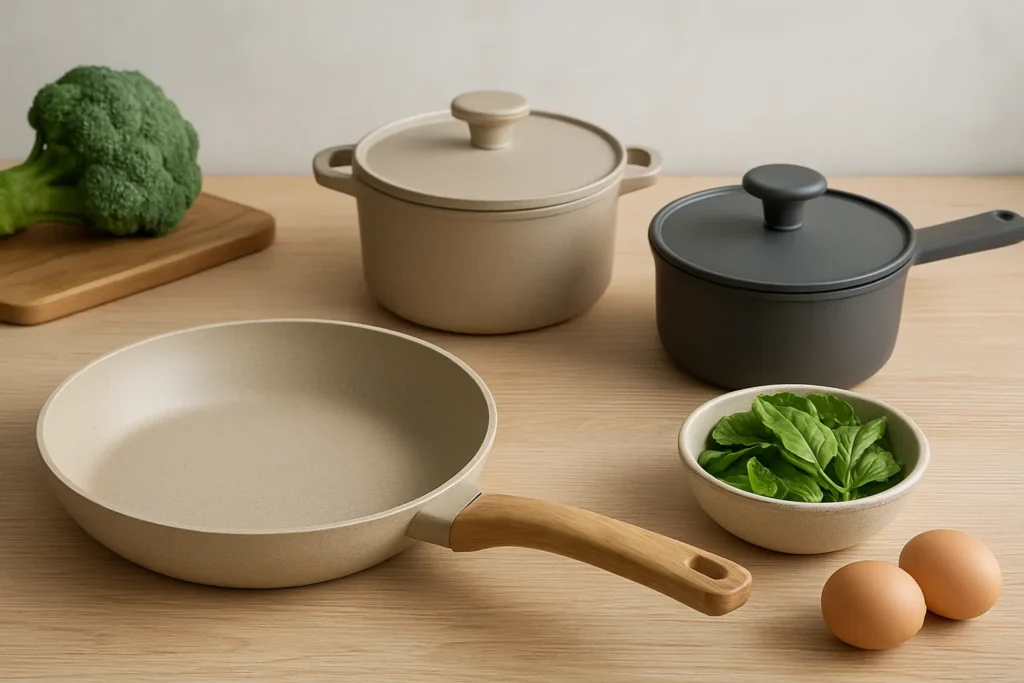
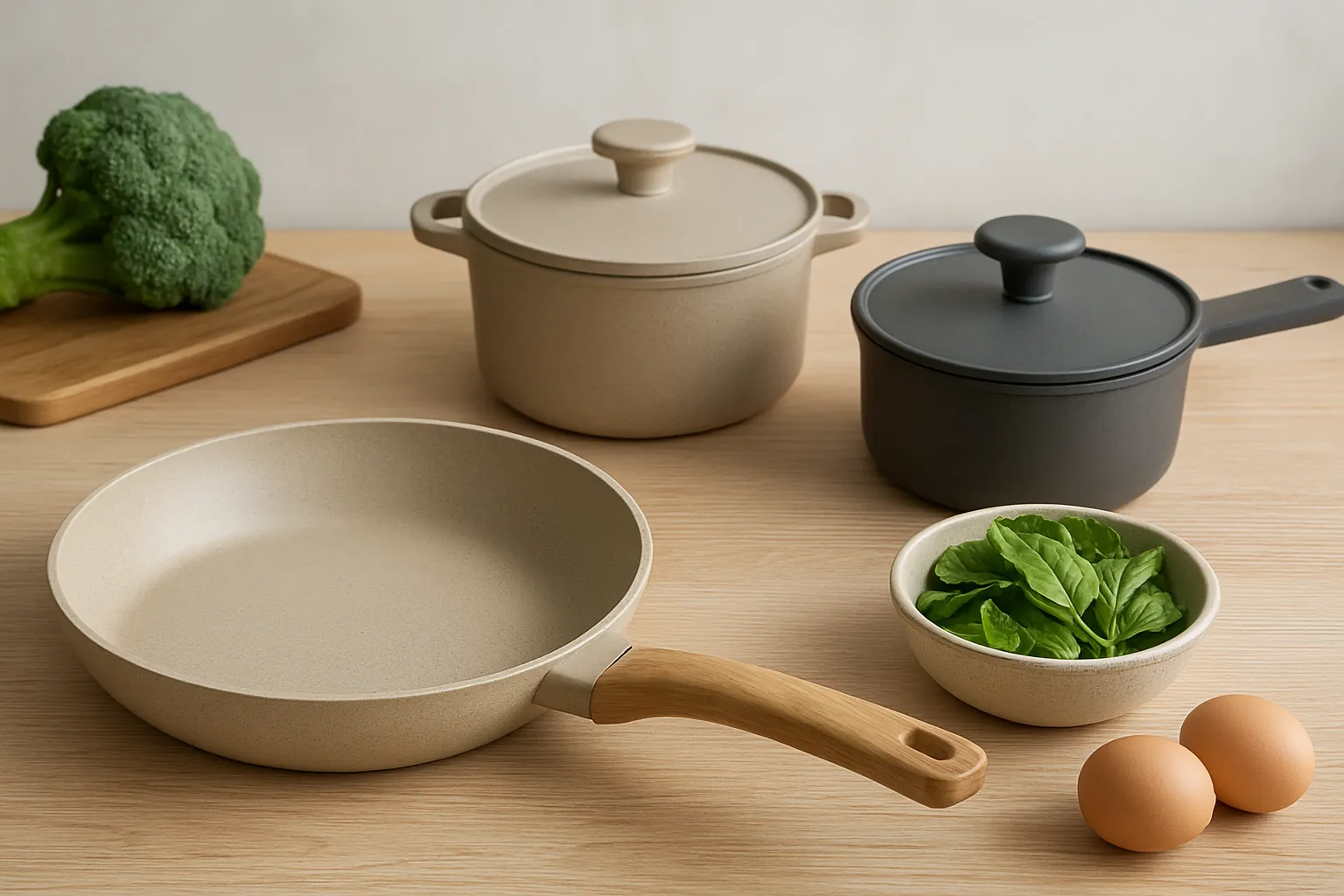
Eco-friendly cookware refers to kitchenware made from sustainable, non-toxic materials designed to minimize environmental impact. With the global emphasis on sustainability growing stronger, the demand for eco-friendly cookware has witnessed a remarkable surge. This shift is not only a response to changing consumer preferences but also reflects a broader commitment to environmental responsibility. For wholesale suppliers of eco-friendly cookware, understanding this trend is crucial to aligning product offerings with market demands and ensuring long-term success. For further details on diverse cookware options, visit our product page.
Benefits of Eco-Friendly Cookware
The advantages of eco-friendly cookware extend far beyond environmental considerations; they encompass health, economic, and social dimensions as well.
- Health Benefits for Consumers: Eco-friendly cookware is typically free from harmful chemicals such as PFOA, PFOS, and heavy metals. This makes it a safer choice for consumers, particularly as health consciousness rises and individuals seek products that do not leach toxins into their food.
- Environmental Impact Reduction: Utilizing eco-friendly materials helps to reduce carbon footprints and waste. Many eco-friendly cookware options are crafted from recycled or renewable resources, contributing to a circular economy and mitigating environmental degradation. For a comprehensive look at eco-friendly cookware materials, check out this industry reference.
- Economic Advantages for Suppliers: By incorporating eco-friendly options into their inventory, wholesalers can tap into a burgeoning market segment. Consumers are increasingly willing to pay a premium for sustainable products, allowing suppliers to enhance profit margins while adhering to ethical standards.
Types of Eco-Friendly Cookware
To navigate the landscape of eco-friendly cookware, it’s essential to recognize the various materials, brands, and certifications that define this market.
- Materials Used in Eco-Friendly Cookware: Common materials include stainless steel, cast iron, bamboo, and ceramics. These materials not only offer durability and performance but also align with sustainability principles.
- Popular Eco-Friendly Cookware Brands: Leading brands such as GreenPan, T-fal, and Scanpan are at the forefront of eco-friendly cookware. Their commitment to sustainability and innovation makes them attractive options for wholesale suppliers.
- Certifications and Standards to Look For: Certifications like the Green Seal, EcoLabel, and FDA approval can help suppliers identify genuinely eco-friendly products. These certifications provide assurance to retailers and consumers regarding the sustainability and safety of the cookware.
Sourcing Eco-Friendly Cookware
Finding reliable sources for eco-friendly cookware is crucial for wholesale suppliers looking to expand their offerings.
- Finding Reliable Suppliers: Researching manufacturers that specialize in eco-friendly cookware is the first step. Trade shows, industry publications, and online directories can serve as valuable resources for identifying reputable suppliers.
- Evaluating Product Quality and Sustainability: Suppliers should assess the quality of the cookware, including its durability and performance. Additionally, understanding the sustainability practices of manufacturers—such as sourcing materials and manufacturing processes—is essential.
- Cost Considerations for Wholesale Buyers: While eco-friendly cookware can sometimes come at a higher initial cost, the long-term benefits and growing consumer demand often justify the investment. Wholesale suppliers should consider the total cost of ownership when evaluating potential products.
Implementing Eco-Friendly Cookware in Your Offerings
After sourcing eco-friendly cookware, suppliers must strategically integrate these products into their offerings.
- Strategies for Introducing New Products: Suppliers can create product bundles that highlight eco-friendly cookware or offer promotions to incentivize retailers to stock these items. Education about the benefits of these products can significantly facilitate their adoption.
- Marketing Eco-Friendly Cookware: Effective marketing strategies should emphasize the health and environmental benefits of eco-friendly cookware. Leveraging social media, influencer partnerships, and content marketing can help reach a broader audience.
- Educating Retailers and Consumers: Providing educational materials, such as brochures or online resources, can assist retailers in communicating the advantages of eco-friendly cookware to their customers. This education is critical in fostering consumer trust and driving sales.
Comparisons with Traditional Cookware
Understanding how eco-friendly cookware compares to traditional options can help suppliers position their products effectively.
- Performance Differences: While eco-friendly cookware often matches or exceeds the performance of traditional options, some consumers may have misconceptions about its capabilities. Addressing these concerns through demonstrations or testimonials can be beneficial.
- Price Comparison: Eco-friendly cookware might be priced higher than traditional alternatives, but many consumers are willing to invest in sustainability. Suppliers should highlight the value and longevity of eco-friendly products to justify the price difference.
- Consumer Preferences and Trends: Monitoring consumer trends reveals a growing preference for sustainable products. Suppliers who stay informed about these trends can better tailor their offerings to meet market demands.
Frequently Asked Questions
- What Makes Cookware Eco-Friendly?: Eco-friendly cookware is characterized by its use of sustainable materials, non-toxic coatings, and environmentally responsible manufacturing processes.
- How to Identify Genuine Eco-Friendly Products?: Look for certifications, research manufacturer practices, and read product reviews to ensure authenticity.
- What is the Future of Eco-Friendly Cookware?: The future looks promising, with increasing consumer awareness and regulatory pressures driving the demand for sustainable products. Suppliers who adapt to this trend will likely see continued growth.
Conclusion
The rise of eco-friendly cookware presents a significant opportunity for wholesale cookware suppliers. By understanding the benefits, sourcing reliable products, and effectively marketing these offerings, suppliers can not only meet consumer demand but also contribute to a more sustainable future. As the market continues to evolve, staying informed and proactive will be key to thriving in this growing sector.